
The first frost always sneaks up on me. One minute we’re still enjoying evenings on the deck, and the next I’m scraping ice off the windshield wondering how it got so cold overnight. But this year, it wasn’t the weather that warned me winter was coming, it was a mouse.
We lifted the cover off one of our outdoor chairs in early September and found a little mouse cozied right into the cushions. We’ve never had that happen before. And once you picture a whole mouse family settling in for the season, you suddenly get very serious about winterizing. 😅
That moment kicked my brain straight into prep mode. If winter is already sending warning signs, it’s time to get ahead of it.
If you want to avoid surprise critters, frozen pipes, sky-high energy bills, or that yearly “why didn’t we do this sooner?” frustration, here’s a simple, practical list of 30+ things to do to winterize your home before the first freeze.
Start outside while the weather’s still manageable, then work your way in. Some of these are Saturday projects; others are quick wins you can knock out in minutes. Either way, each one gives you peace of mind that your home is protected and ready for whatever winter throws at it.
Outside Tasks to Do Before the First Freeze
Tackle this zone first — once the snow hits, these jobs either get messy or get ignored.
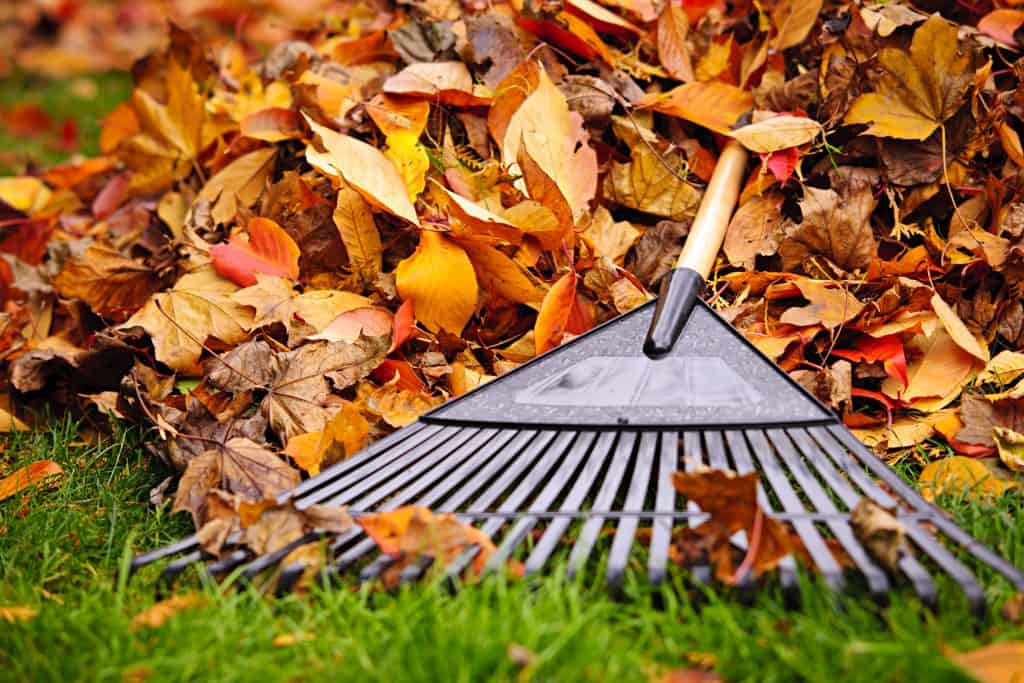
- Clean out gutters and downspouts
When leaves clog gutters, melting snow has nowhere to go, which can lead to ice dams and roof leaks. Ten minutes on a ladder now is better than paying for roof repairs in the Spring. - Clean and store or cover patio furniture
Shake out cushions, wipe surfaces, and either store them or use fitted covers. (Mouse-proofing bonus: no surprise guests come spring!) - Clean and store or cover the grill
Scrape the grates, dump ash, and disconnect the propane tank before covering or storing. No rust, no spiders, no surprises. - Clean and store kids’ outdoor toys (balls, water table, kiddie pools, etc.)
These are prime hiding spots for moisture and critters. Rinse, dry, and stash in the garage or shed. - Sweep off porches and decks
Leaves and debris trap moisture, which can lead to rot or slippery ice patches. A clean deck now = safer footing later. - Clean and store birdhouses
Empty and give them a quick wipe so they’re fresh and ready for spring birds instead of winter pests. - Cover your air conditioning unit
Use a breathable, weather-resistant cover to keep snow and debris out, but don’t wrap it too tightly; airflow helps prevent rust. - Stain or re-stain fences (if needed)
If your fence looks dry or faded, sealing it now protects it from moisture damage all winter. - Drain garden hoses and store them for the season
Even a little leftover water can freeze and crack the hose (or worse — the pipes they’re attached to). Coil and hang to dry. - Turn off exterior water valves or insulate outdoor spigots
If your home has an indoor shutoff valve, switch it off. No valve? Foam faucet covers are an easy fix. - Remove annuals from the garden
Pulling them now keeps beds tidy and discourages pests from overwintering in dead foliage. - Do a final round of weeding
Do I enjoy weeding in the fall? Absolutely not. But…in the Spring-you will be so grateful you dealt with them now instead of letting them spread for six more months. - Before the first snow, clean up leaves and mow the yard one last time
Shorter grass reduces mold growth beneath snow buildup. - Fertilize the grass with a fall/winter fertilizer mix
Strengthen roots now so your lawn bounces back greener in spring. - Rake the garden beds
Loosen compacted soil and clear lingering debris so perennials can breathe under snow cover. - Check outdoor lighting and replace bulbs
With shorter days, good lighting matters, for safety and sanity. Swap bulbs before it’s icy and dark.
Inside Tasks to Do Before the Cold Hits
Once the outside is handled, shift indoors. These tasks help your home stay warm, safe, and energy-efficient and most take less time than you’d think.
- Get your HVAC or furnace serviced
It doesn’t take long, book a tune-up now and avoid panic when the first cold snap hits. - Replace the furnace filter
A dirty filter makes your system work harder (and costs more in energy). If it’s been more than a few months, don’t overthink it, just swap it. - Check the weather stripping on all exterior doors
See light around the frame or feel a draft? Time to replace. It’s inexpensive and saves a surprising amount on heating. - Caulk around windows
Feel a draft with your hand? That’s your cue to grab the caulk. A quick bead keeps the cold outside where it belongs. - Stock up on firewood (if you have a wood-burning fireplace)
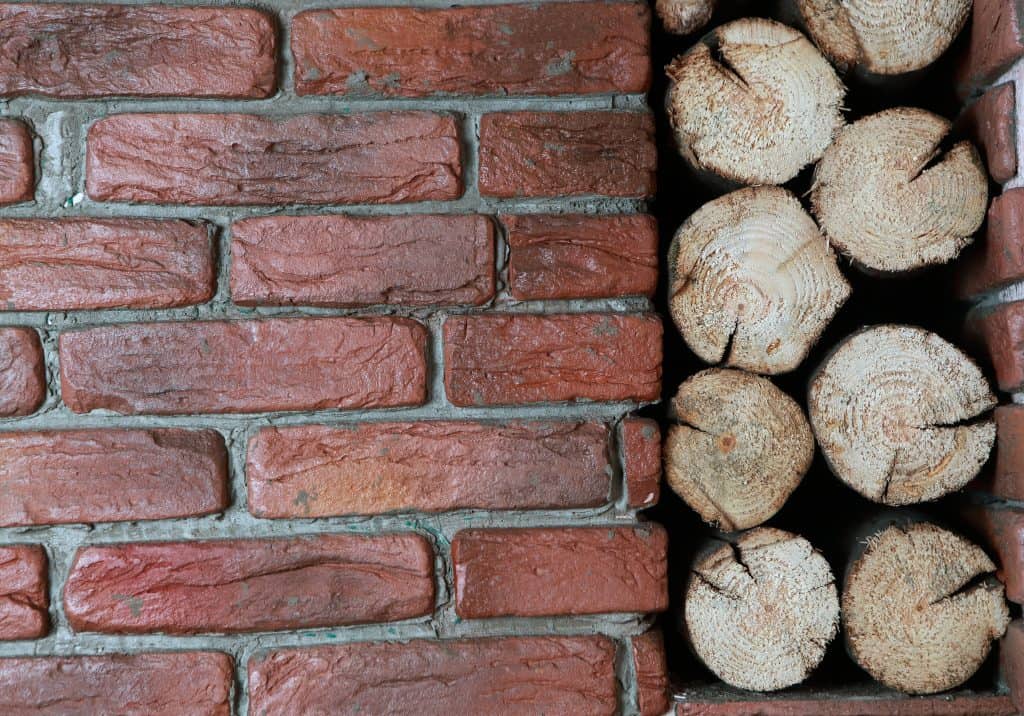
Order before prices jump and store it dry and accessible so you’re not scrambling during the first cold snap. - Get your chimney cleaned
Put plainly, buildup can be a fire hazard. A professional sweep = peace of mind for cozy nights. - Check smoke detectors
Hit the test button. Weak chirp (or silence) = fresh batteries. (Bonus…this will also prevent the middle of the night panic when the batteries die and it starts to chirp every 2 minutes!) - Check carbon monoxide detectors
If you don’t have them, now’s the time to install. If you do, test and replace batteries as needed. - Drain your hot water heater
If you’ve never drained it, it’s probably working way harder than it should. One quick flush = hotter showers and lower bills. Flushing can improve efficiency by up to 50%. - Exchange summer and winter clothes
Rotate closets and pack away warm-weather items. While you’re at it, declutter anything that no longer fits or gets worn.
Garage Winterizing
The garage often becomes a catch-all, but a quick reset before winter makes it far more functional (and protects your tools and gear).
- Drain gas from lawn mowers and yard equipment
Old fuel can gum up engines over winter. Run them dry or add a fuel stabilizer so they’re ready in spring. - Swap summer gear for winter gear
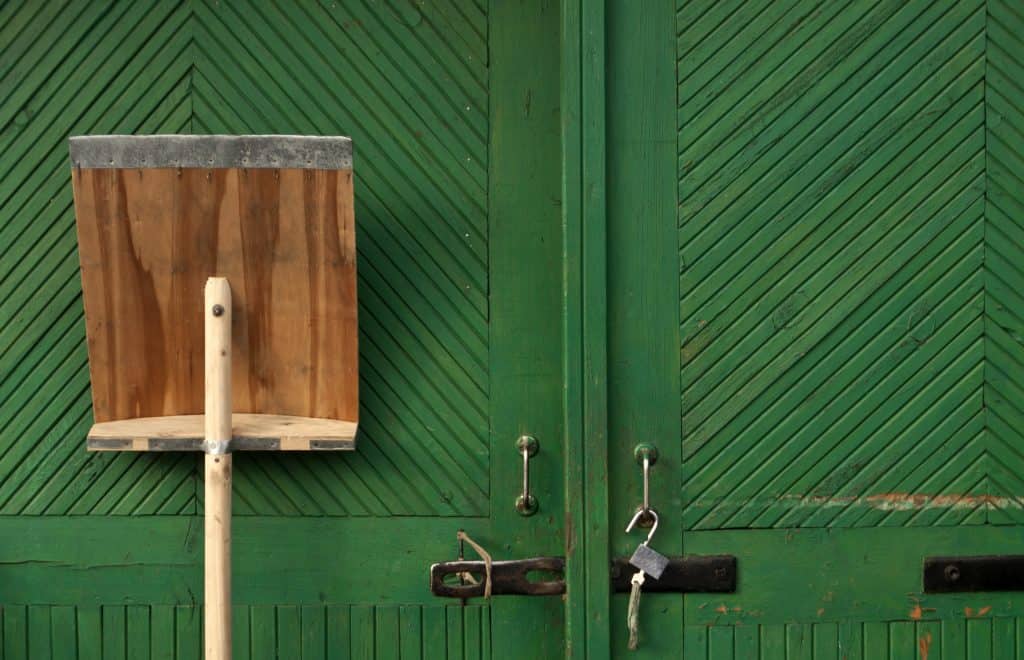
Put away the lawn mower and bring forward the snow blower, shovels, and ice melt so they’re easy to grab on the first snowy morning. - Clean and store bikes, wagons, and summer toys
Wipe down and hang or stack. Sand, salt, and moisture cause rust if left dirty. Bonus: You’ll thank yourself in the spring when everything’s clean and ready to roll. - Move paint and adhesives indoors
Many products can freeze and separate. Tuck them somewhere warm so you’re not buying all-new paint next year.
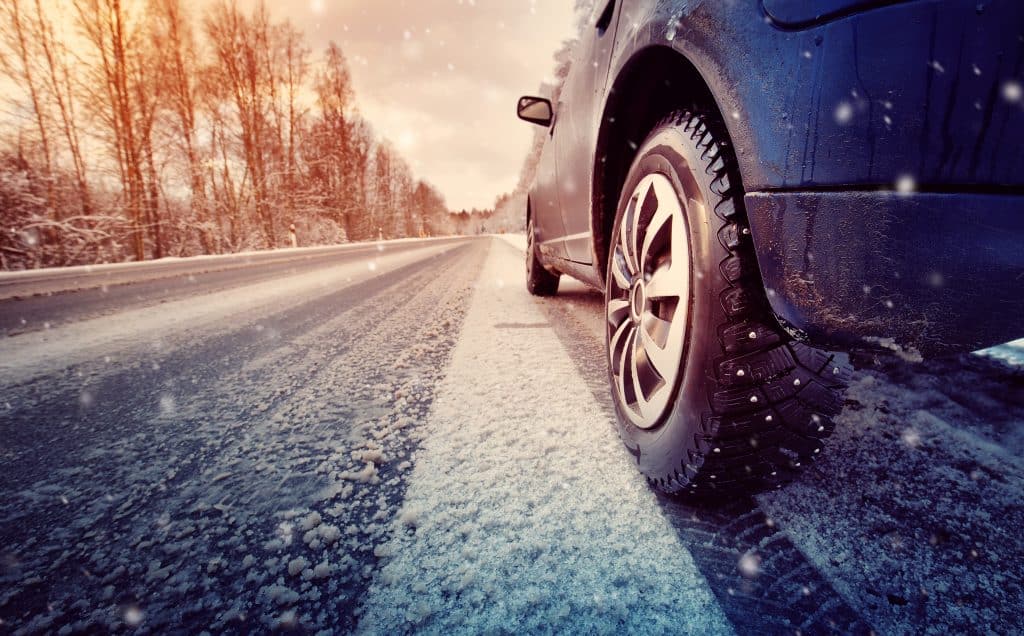
Auto Winterizing
With your home and garage ready, make sure your vehicle is too. A few simple steps make a big difference when temperatures drop or storms hit unexpectedly.
- Put on snow tires (preferably nitrogen-filled) and store summer tires
Winter tires provide better traction and control. Switching early means you’re not scrambling on the first icy commute. - Keep extra blankets in the car
If you’re ever stuck roadside in cold weather, a blanket is a lifesaver — also handy for chilly rink mornings or unexpected delays. - Add or refresh your emergency kit
Include booster cables, a flashlight, gloves, water, snacks, and a basic first-aid kit. You’ll rarely need it, but when you do, you’ll be grateful it’s there. - Top up anti-freeze
Engines don’t like surprises. Top up your antifreeze now so it doesn’t decide to quit on the coldest morning of the year. - Top up washer fluid (make sure it’s winter-rated)
Snow eats washer fluid like candy — toss a spare in the trunk now so you’re not stuck with a salt-covered windshield.
The lists above cover most of the major winterizing must-dos. There may be a few extras depending on your home — like prepping a pool, hot tub, or trailer — but even if your list feels long, remember: it’s all do-able.
Growing up in the deep south, our “winter prep” was usually a last-minute scramble the night before a freeze. Now that I live in the frozen tundra (aka Canada), it takes more effort — but it’s still manageable when you break it down step by step.
Whether you tackle everything in one weekend or spread it out over a month, don’t stress. Just grab the free-bee checklist (or print it and give it to your husband 😉) and knock it out!
What other tips, tricks, or hacks do you swear by for winterizing your home or car? I’d love to hear them!





Thanks for the breakdown! These are all really good and I feel like military spouses with deployed spouses could REALLY get a lot out of these lists!
Thanks Tavia! I’m glad you liked the post and hope it helps out your friends. Feel free to pass along. 🙂
Thanks for the list! I’ve never been very good about winterizing, and I live in Saskatchewan!! You think I would know better. . . anyway, I love your list and think you got everything important.
Thanks for the feedback!
This is a very valuable and helpful article. Thank you! Additionally, I want to mention the importance of insulating a water heater and its pipes. Insulation reduces the rate at which the water in the tank loses heat to the surrounding environment. On average, insulating a water heater can save anywhere from 4% to 9% on water heating costs.